
What system do I have?
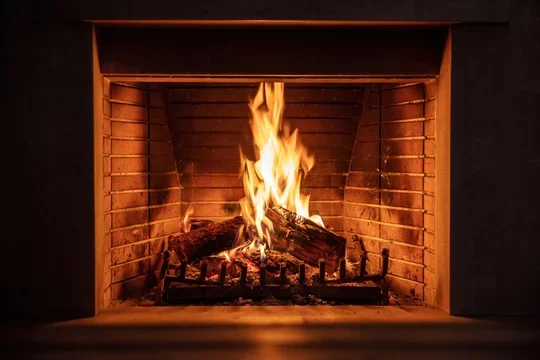
Masonry Fireplaces
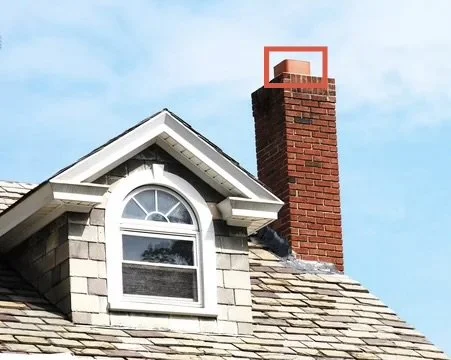
Built of masonry units such as firebrick. These fireplaces often utilize rectangular metal damper plates above them for venting. These traditional style fireplaces commonly vent through square or rectangular terracotta flue tiles (shown below)
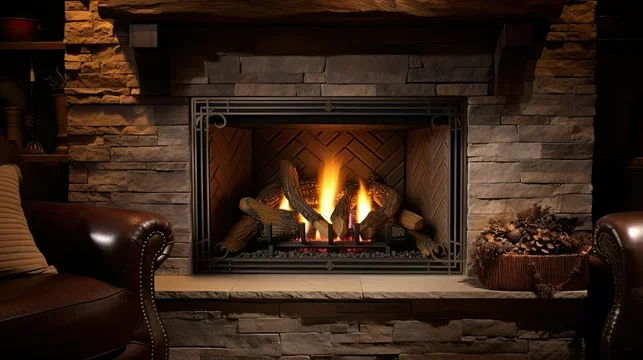
Factory built fireplaces
Constructed of a metal interior and exterior shell. Often having masonry refractory panels covering the back wall, side walls, and sometimes the floor of the firebox. They often utilize a round metal damper plates above the firebox, but some manufacturers have used square dampers in the past.
These systems traditionally use metal piping for venting, all specific to the system itself. These pipes have their own clearances and installation requirements all determined by the manufacturer.
Factory built fireplaces are often installed with framed out structures called a chase. These are usually covered with brick or siding material such a vinyl or hardie board like the picture below.
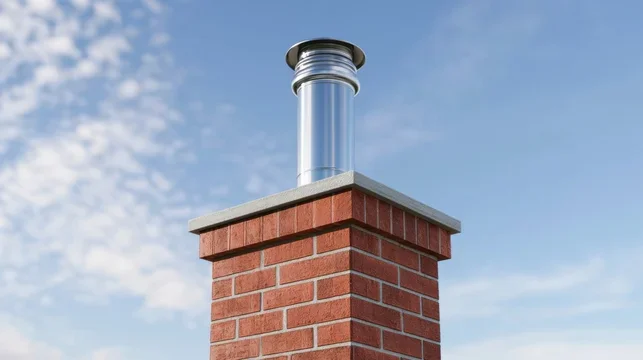
Direct Vent fireplaces
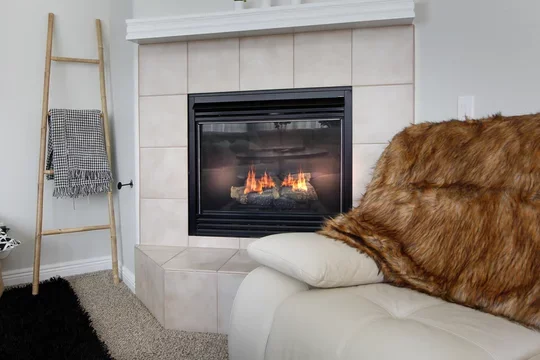
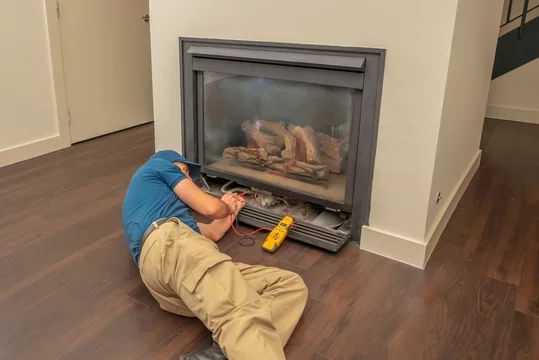
Built very similar to factory built fireplaces but they utilize a glass front for a closed combustion chamber and operate on gas only.
These systems utilize two different venting methods. The more common method is an inner and outer pipe similar to the factory built fireplaces that can be vented vertically through a chase or horizontally out of the rear of the unit.
These second method is more common on direct vent inserts(direct vent units ment for installation into masonry fireplaces). This method uses two separate smaller pipes where one is used for intake air for combustion. The other is used for exhaust.
These systems often have battery back ups in case the power goes out. They usually take two D batteries in a battery pack underneath the unit. You will have to remove the bottom trim and unplug the unit from the outlet prior to installing the batteries.
Vent free boxes
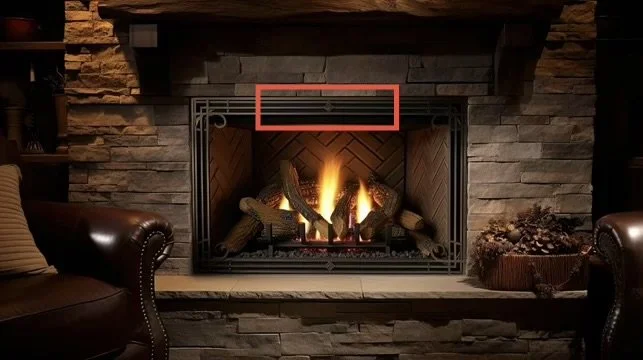
*Picture shown above may not be a vent free box and is only shown as an example
Vent free box’s are built very similar to vented factory built fireplaces. One way to differentiate them apart is by looking at damper area inside of the fireplace(The ceiling of the firebox outlined in red). A vent free box will have no hole, damper, or vent as these box’s are designed to vent into the home. Vent free box’s are gas only.
Appliances
Free standing wood stoves
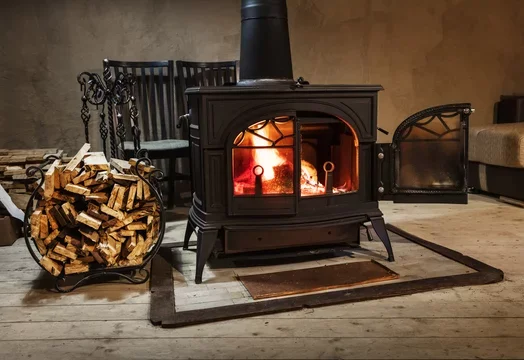
Free standing wood stoves are efficient room heaters that can come as catalytic or non catalytic. These stoves are to be installed with their own venting that complies with manufacturer specifications. The stoves and venting themselves have clearances to combustible materials including but not limited to walls, ceilings, floor, etc…
Wood stove / Direct vent inserts
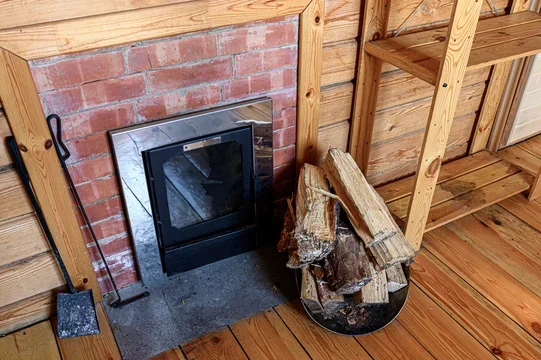
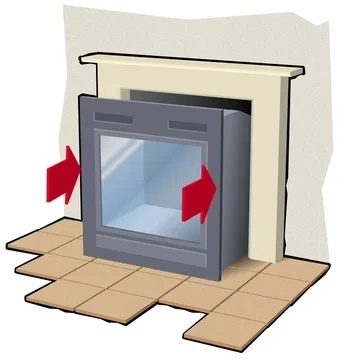
These are inserts designed to be installed into masonry fireplaces. They each have their own specific venting ment to be ran through the masonry structure to the outdoors to properly exhaust the products of combustion to the outdoors.
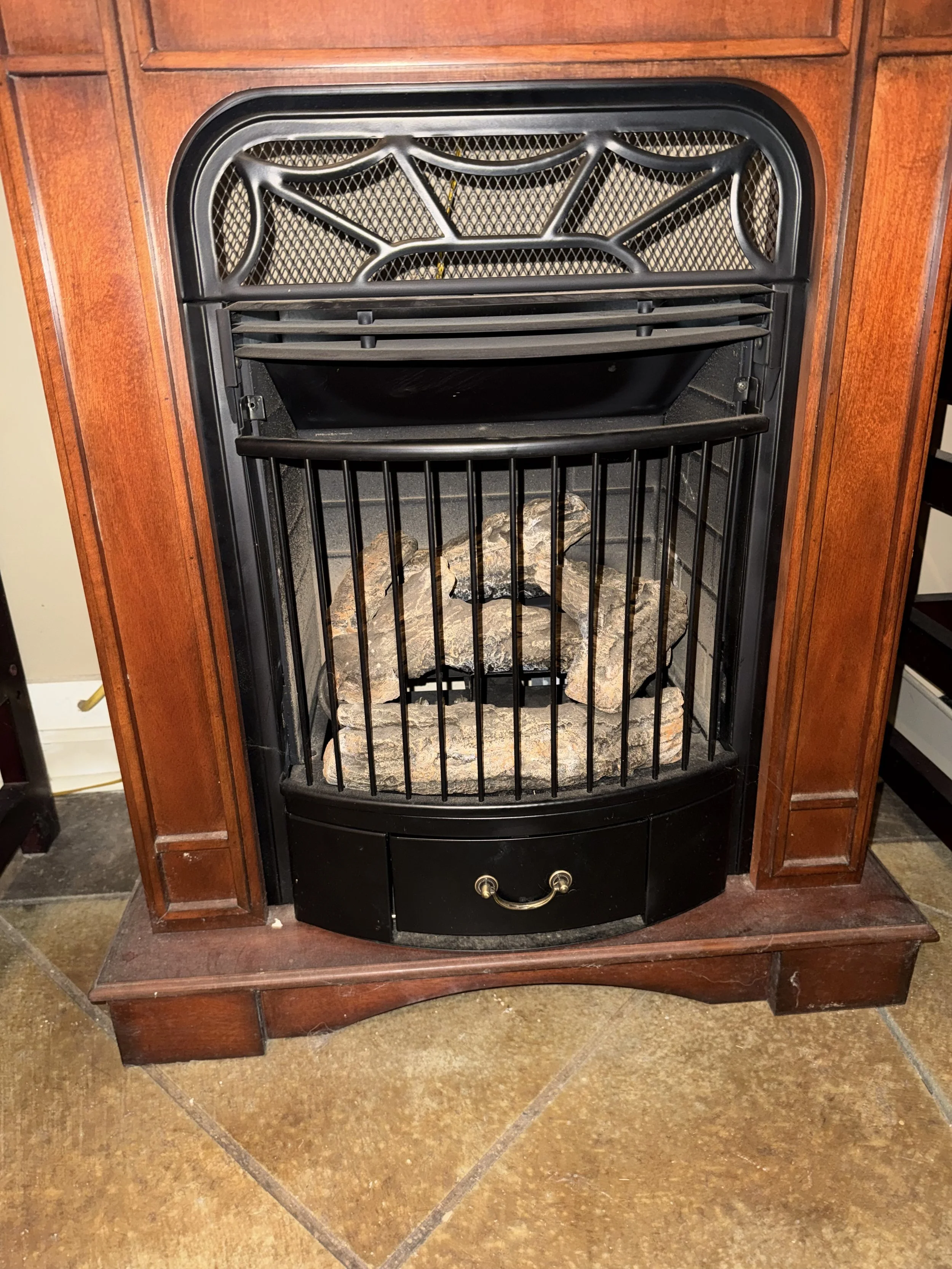
Vent free heaters
These are stand alone appliances connected to a gas line. They are designed to burn clean enough to not require venting to the outdoors. Manufacturers often limit locations and burn times due to the potential hazards of venting into the home. Make sure you’re aware of all manufacturers operating and installation instructions.

Pellet stoves
These stoves are room heaters that burn off purchased pellets instead of wood logs or gas.
Pellet stoves are not serviced or swept by Fire Aid.