
Common Problems
Below are just a few of the many common problems found concerning the chimney and fireplace
Exterior brick staining
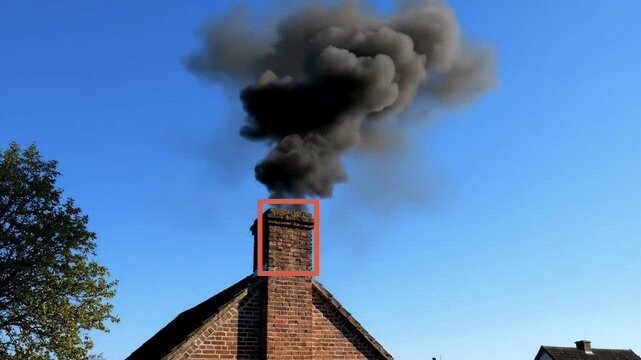
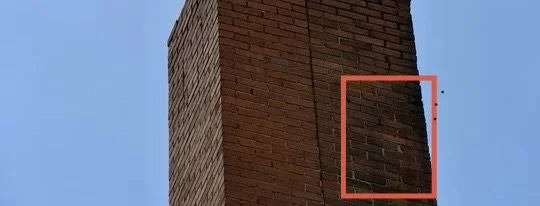
Black or dark staining on the exterior of your chimney is often vegetative growth such as algae. This is evidence that your chimney is soaking in moisture and retaining it long enough to support the growth.
A leaking chimney can lead to unpleasant smells in the home, deterioration of the masonry/venting system, and eventually leaks can make their way into your fireplace and home.
Smoke staining
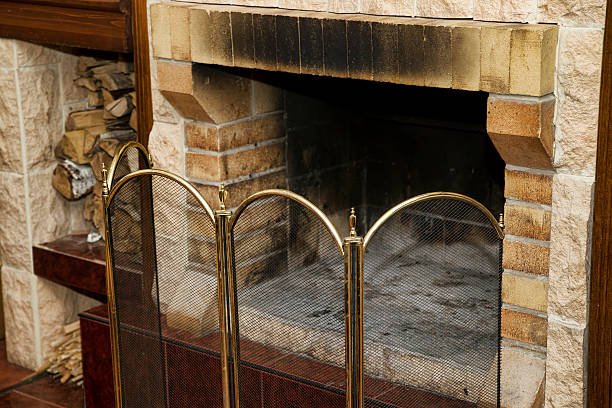
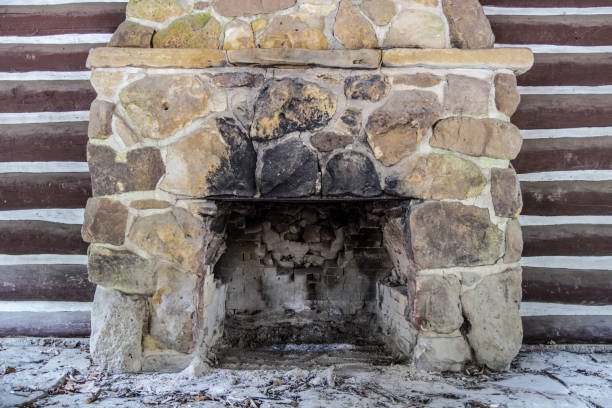
Smoke staining can be evidence of a number of issues in your venting system. This can be caused by an undersized flue, poor burning habits, clogged system/cap, damaged flue tiles, and MORE.
The issues that cause smoke staining may cause hazardous conditions such as poor air quality in the home, chimney fires, and excess buildup due to poor system performance.
Clearance to combustible materials
(wood or other combustible material to close to the chimney or fireplace)
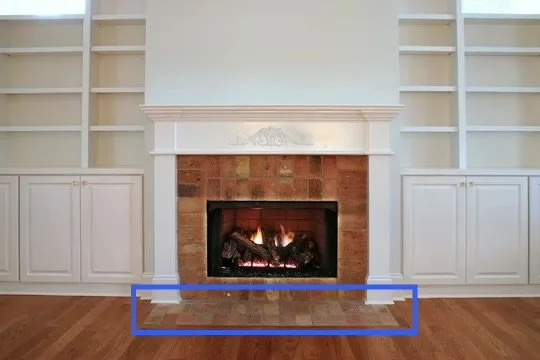
Hearth extensions(shown in blue) that are level or only slightly raised from the floor are often supported by wood that was not removed during construction as intended. Wood underneath hearth extensions can potentially over heat and ignite over time due to pyrolysis.
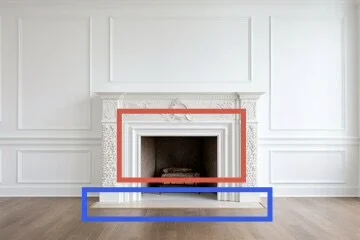
Masonry and Factory built systems require minimum clearances to combustible materials from the openings. Often times mantles and trim are installed to close to the opening of the fireplace(Shown in red). This may cause the mantle or trim to combust over time due to pyrolysis.
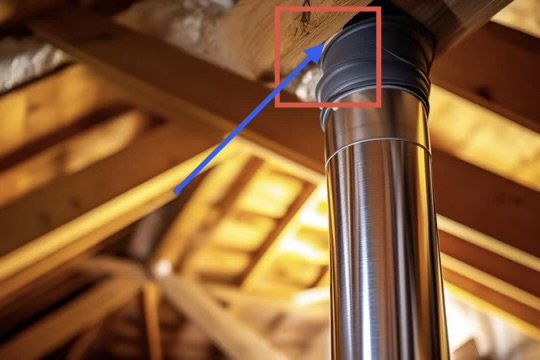
Factory built fireplaces often utilize metal piping to vent the products of combustion. These pipes have their own specific clearances to combustible materials. Failure to meet these clearances can eventually lead to these materials combusting due to pyrolysis.
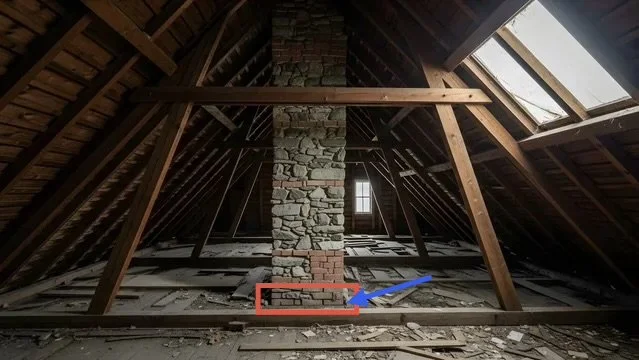
Masonry chimney structures themselves have clearance requirements whether it is in the attic, walls, or crawlspace. Failure to adhere to these clearances can potentially result in overheating combustible materials in your home.